← Archive

2022 · Student work

Honours Project: Walkthrough

My final-year honours project at the University of Dundee.
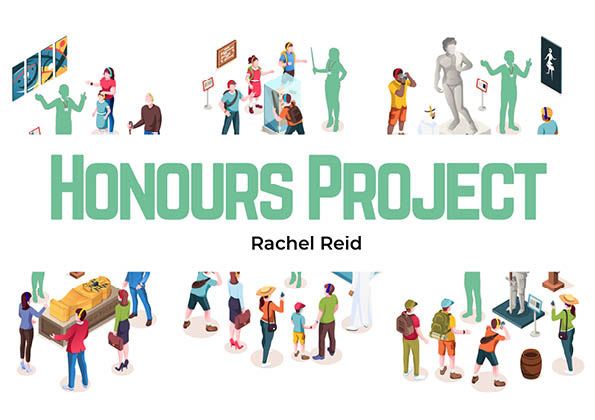
Walkthrough logo, 'Your guide, for your museums', surrounded by illustrated museum visitors wearing headphones

'Walkthrough' is an interactive audio guide for museums, designed for people who have a sensory processing disorder (SPD), with the aim of reducing the risk of sensory overload.

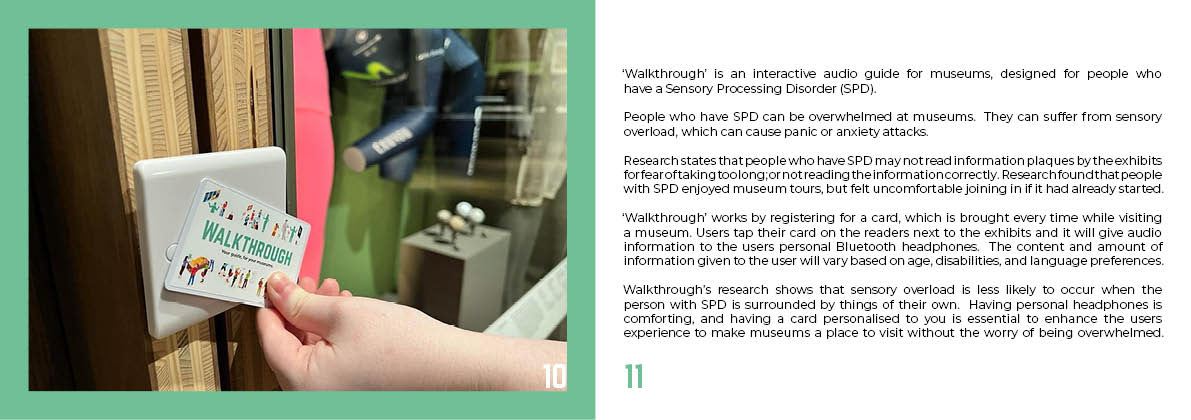
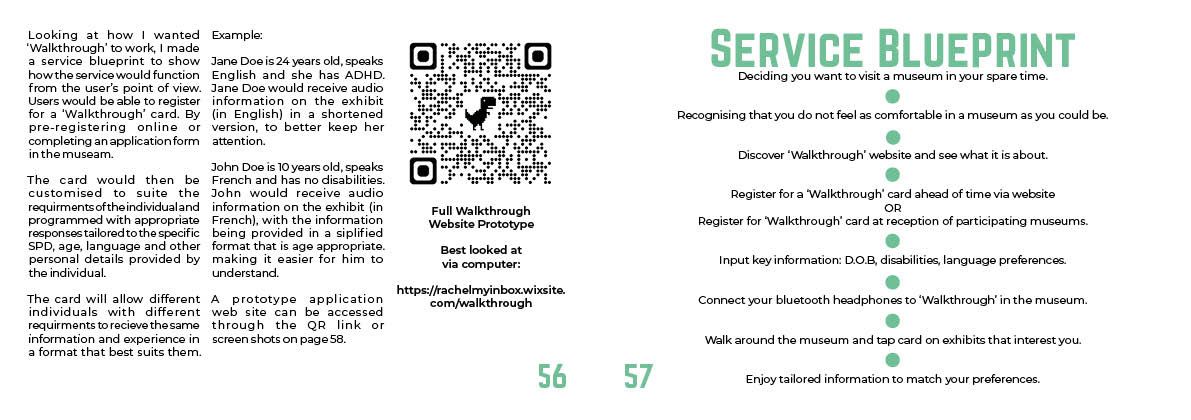
'Walkthrough' works by registering for a card, which is brought every time while visiting a museum. Users tap their card on the readers next to the exhibits and it will give audio information to the user's personal Bluetooth headphones.  The content and amount of information given to the user will vary based on age, disabilities, and language preferences.
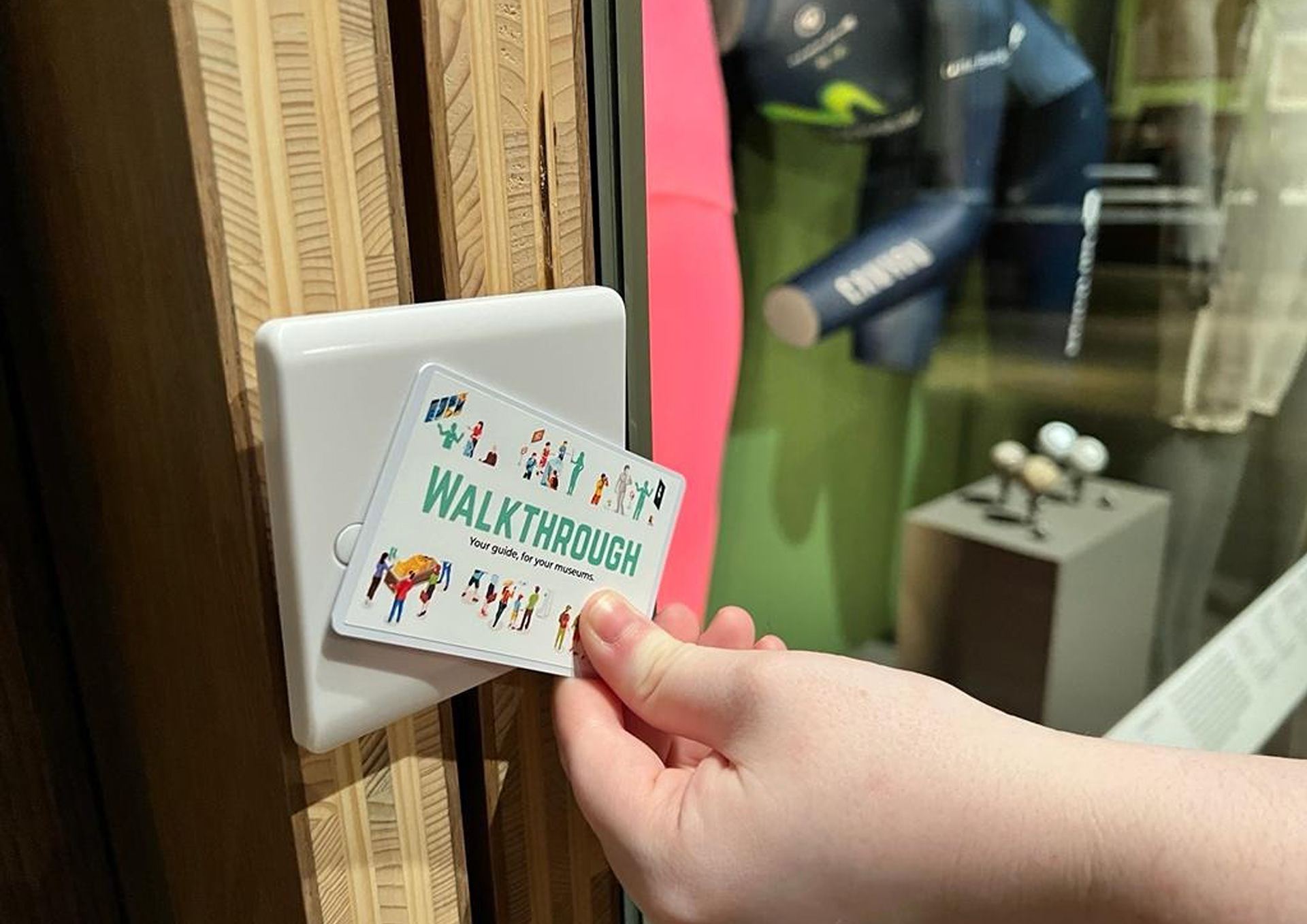
A hand tapping a Walkthrough card on a white reader mounted beside a museum display case

A video of how 'Walkthrough' works

Images from ProductXInteraction Degree Show 2022
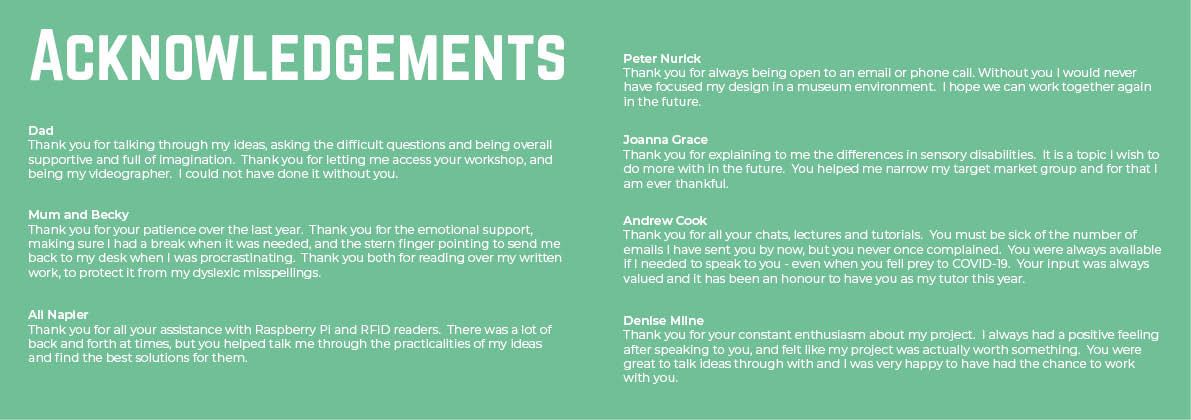
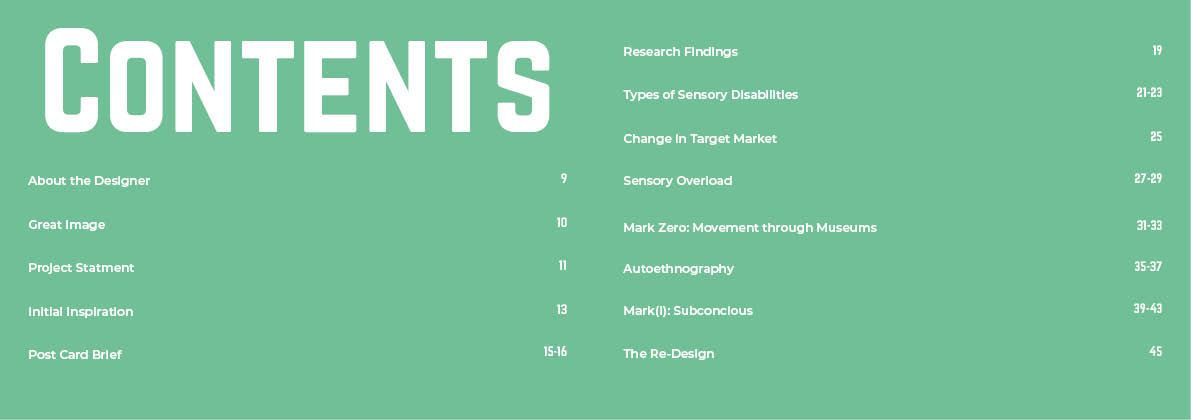
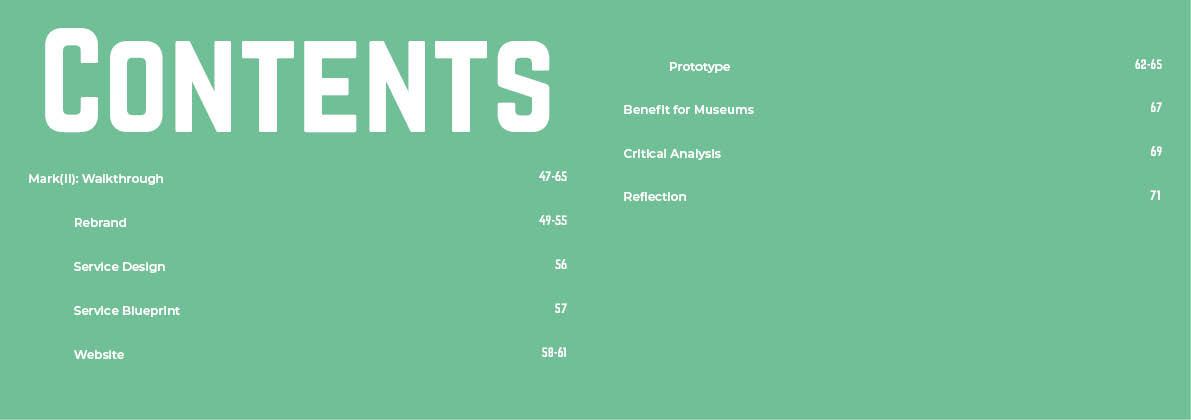
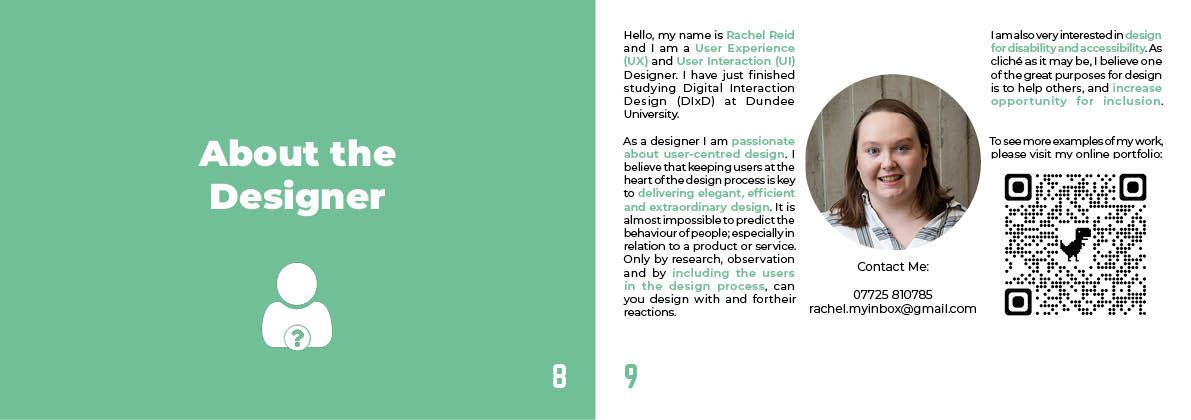
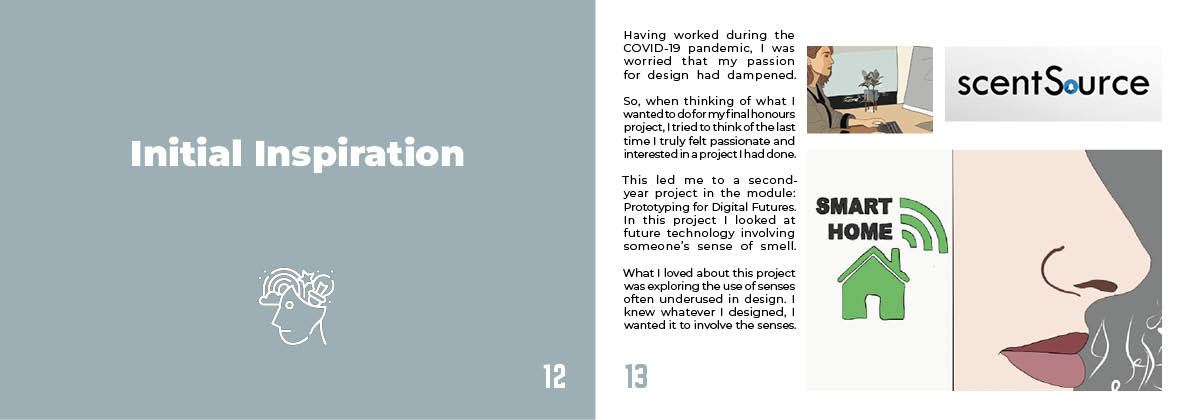
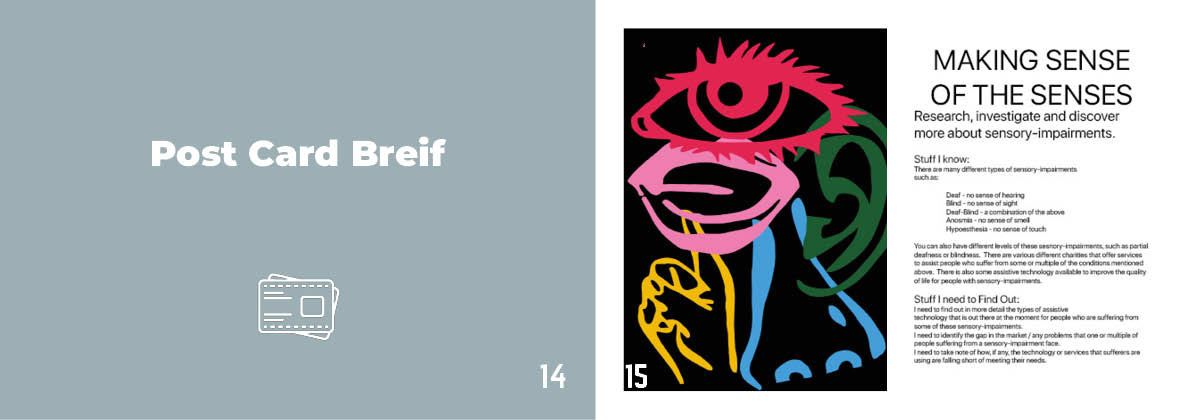
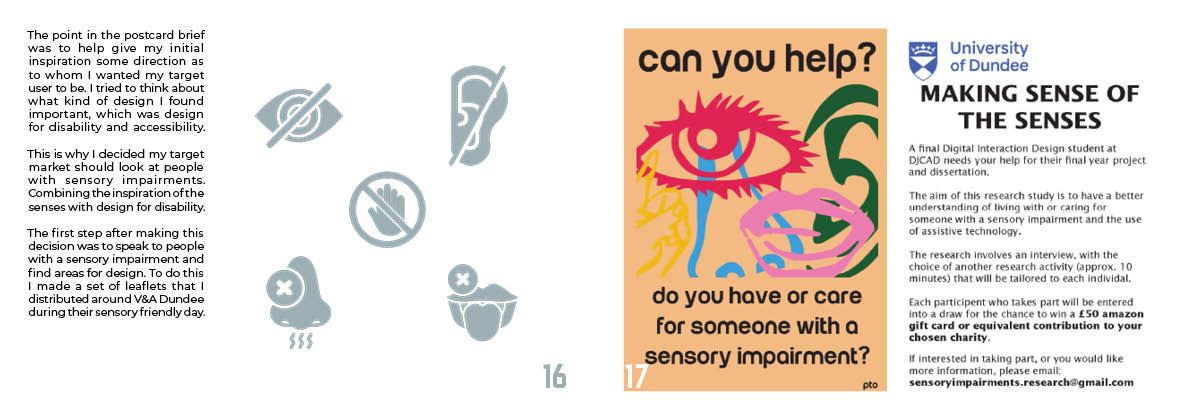
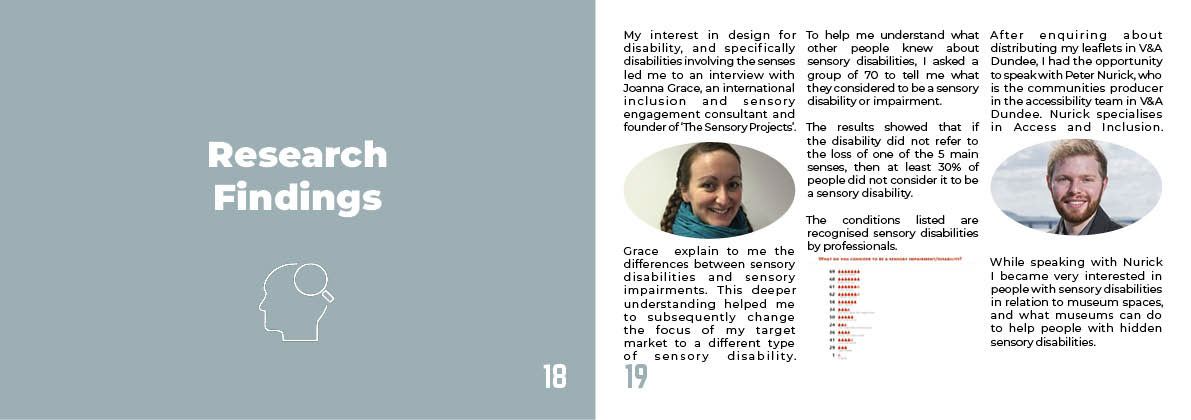
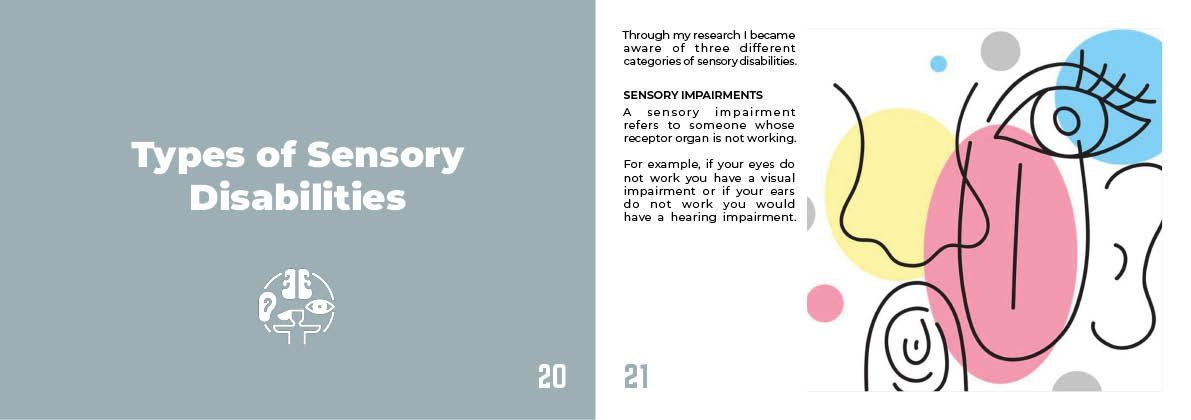
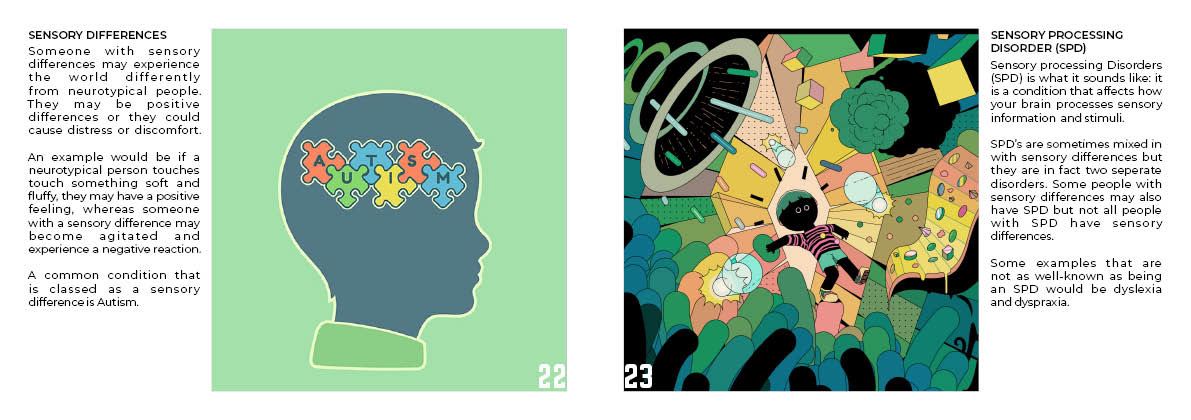
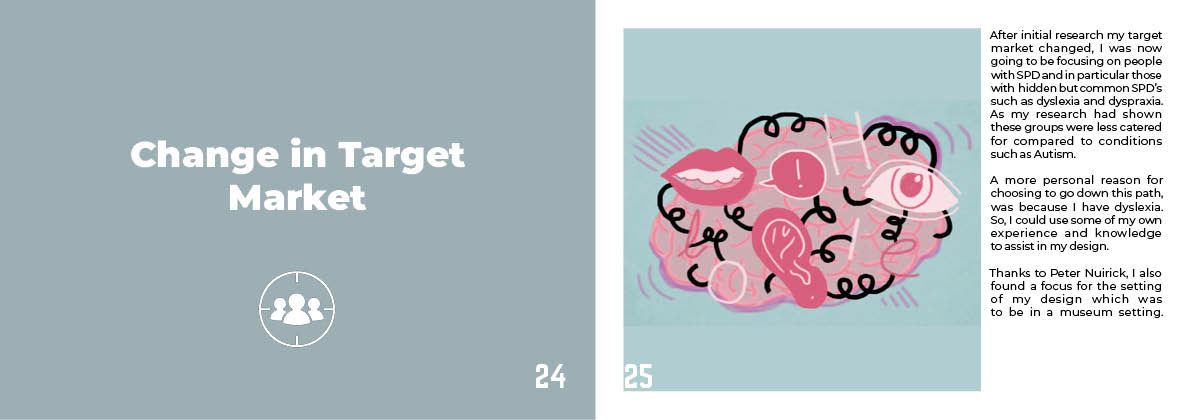
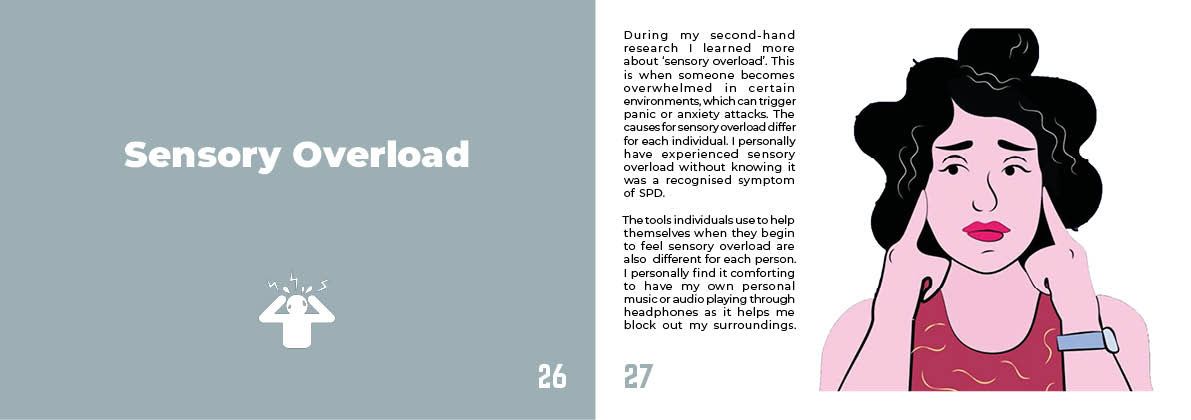
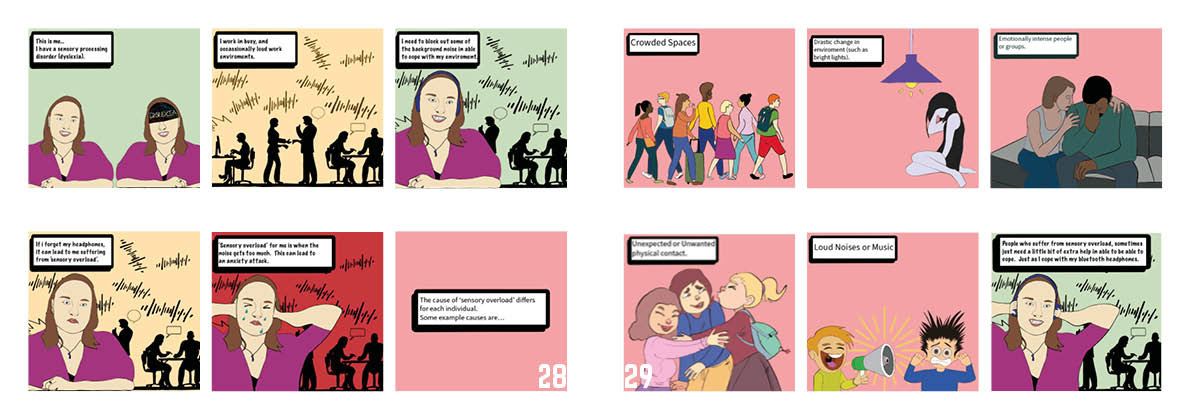
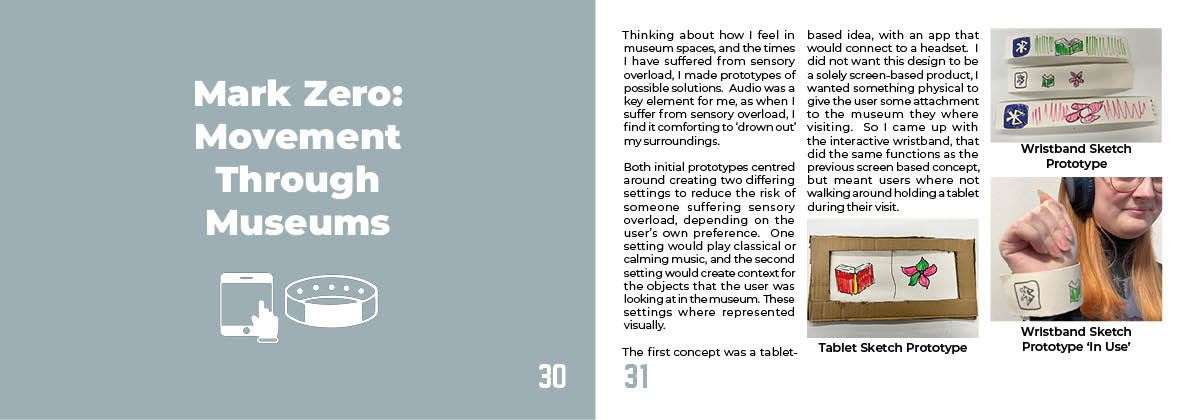
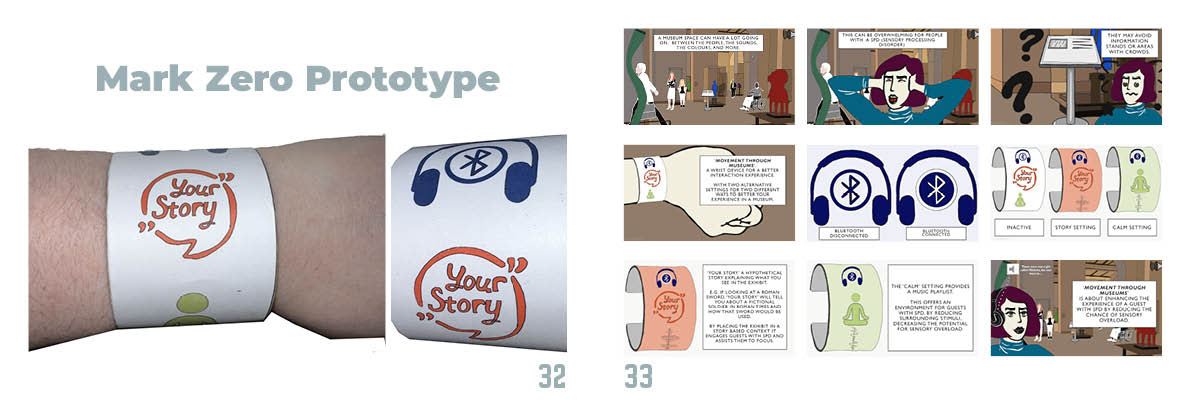
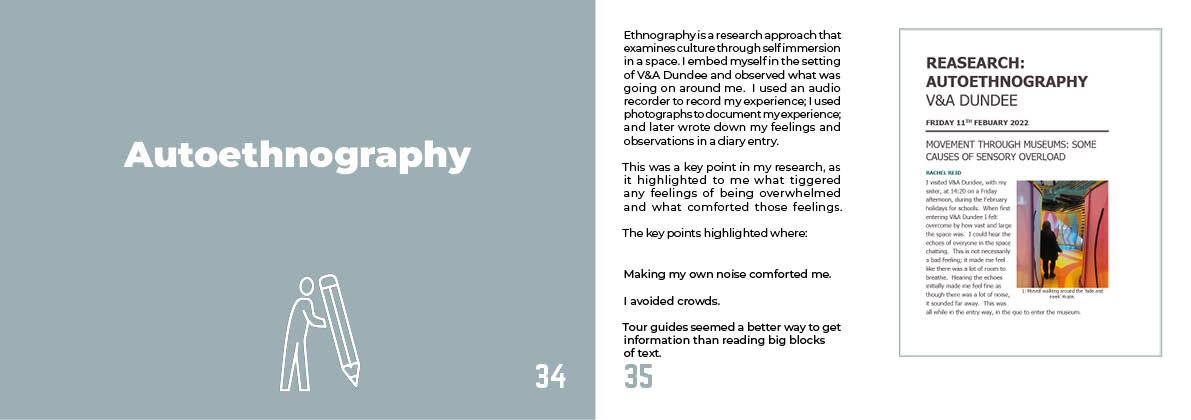
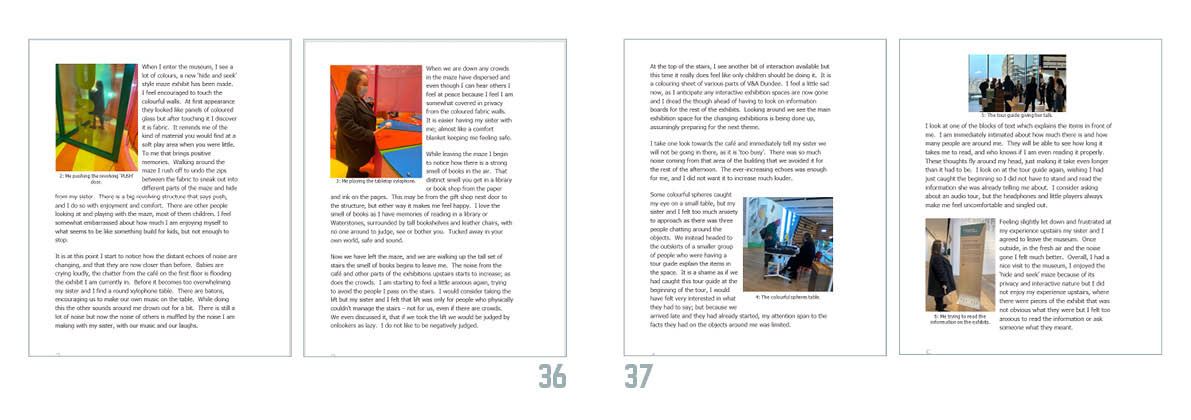
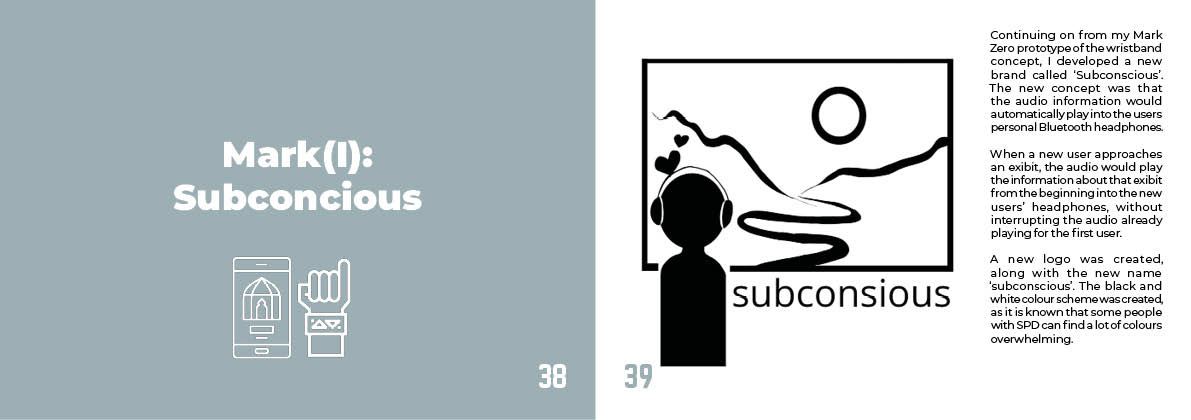
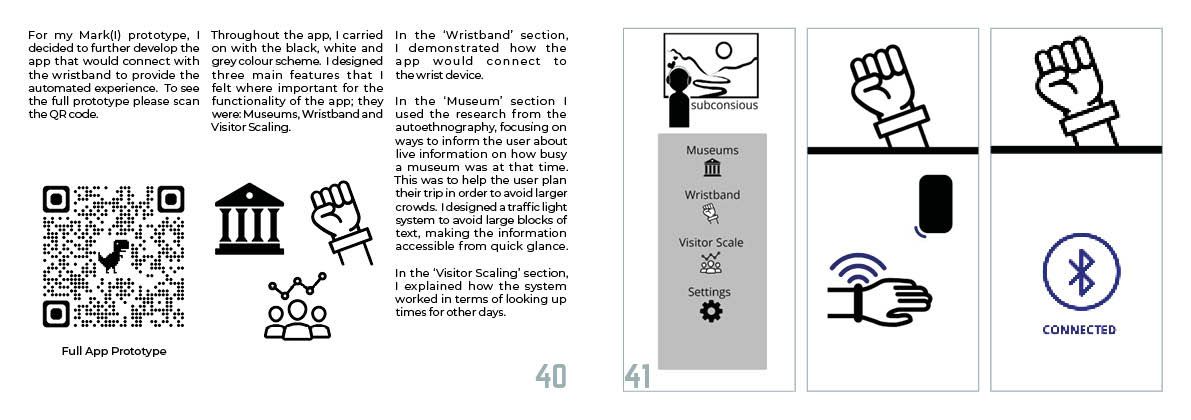
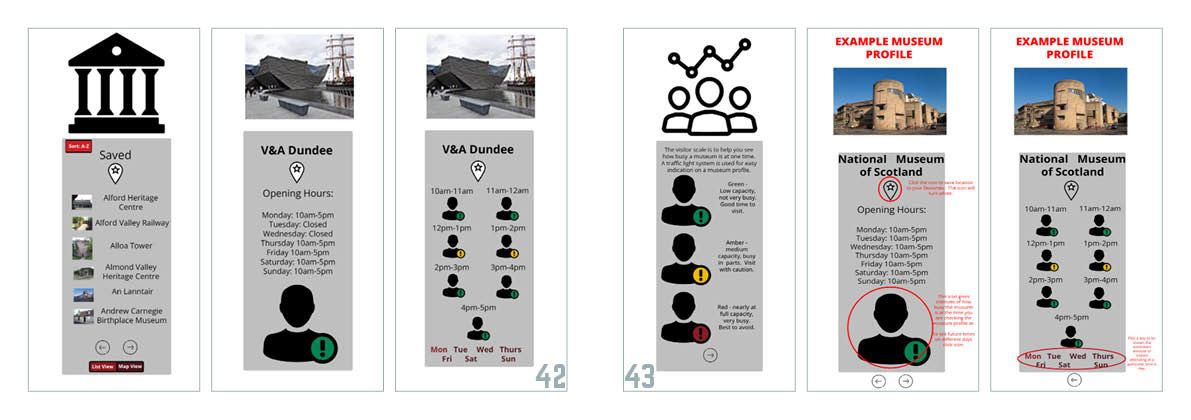
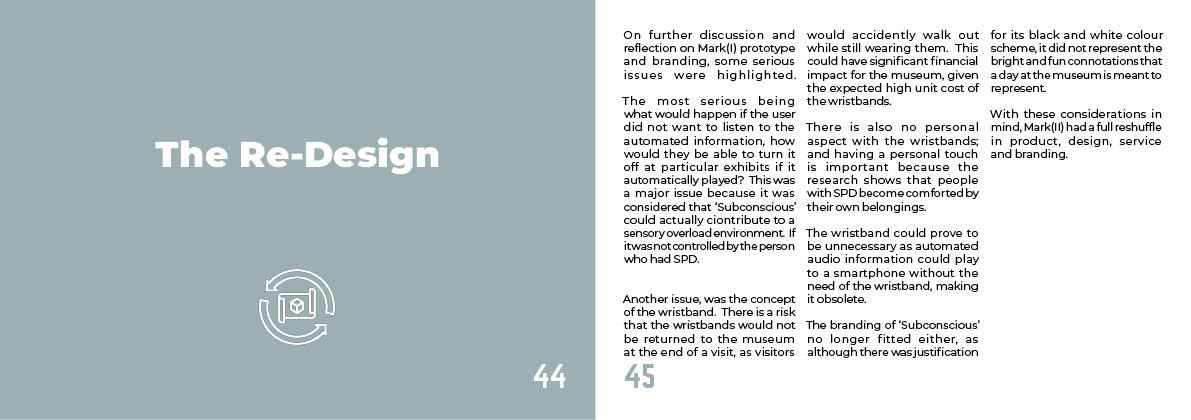
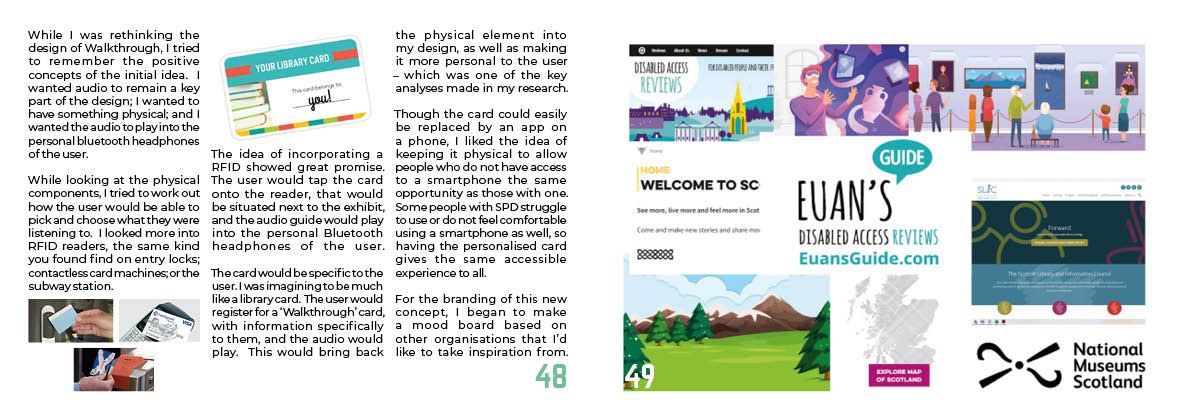
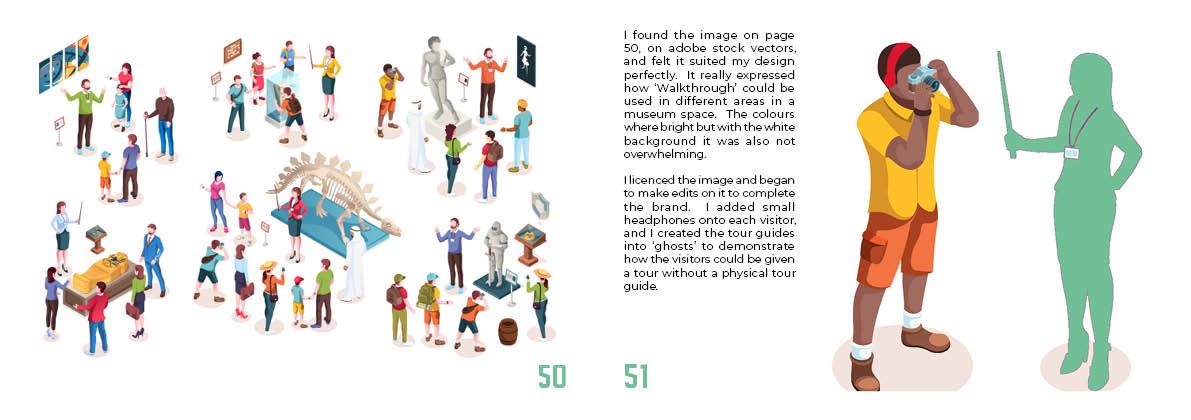
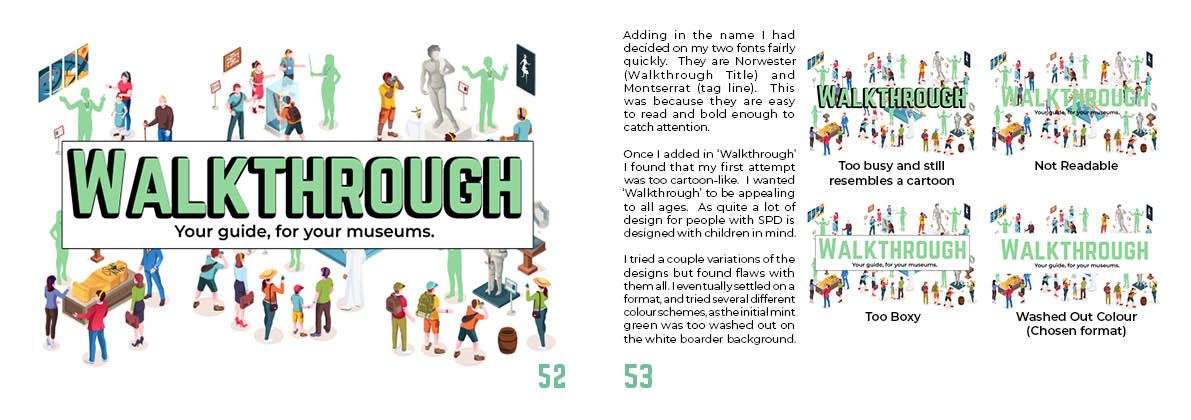
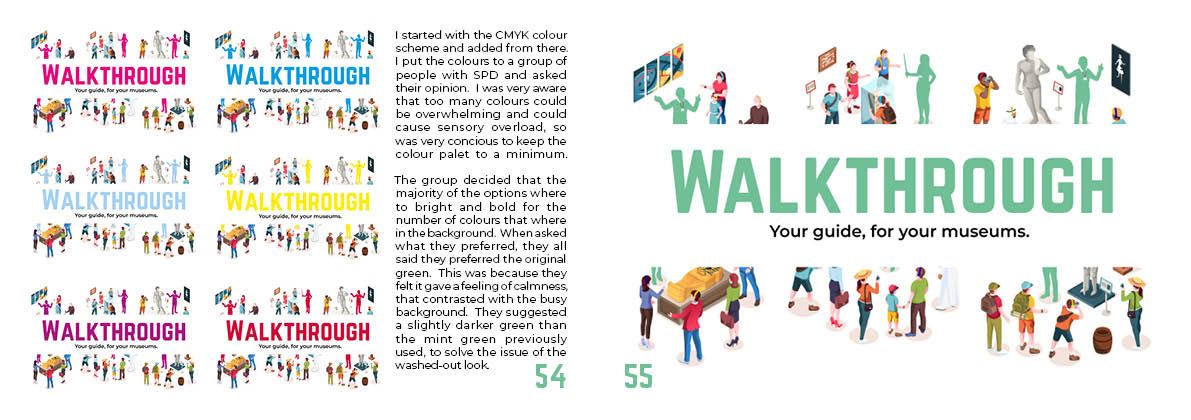
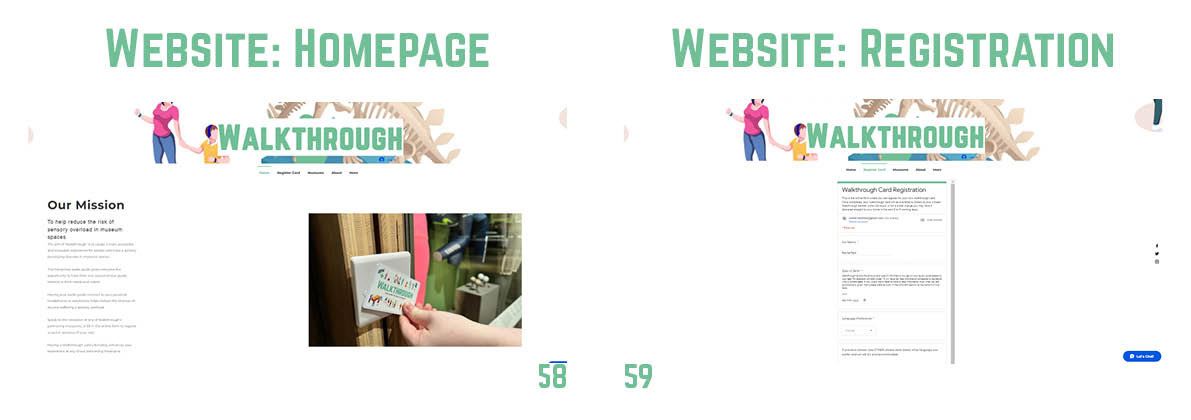
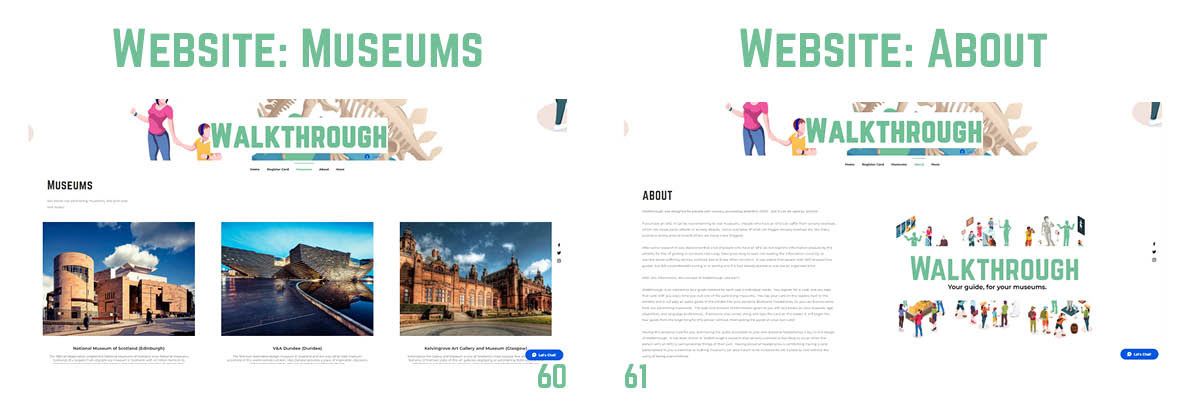
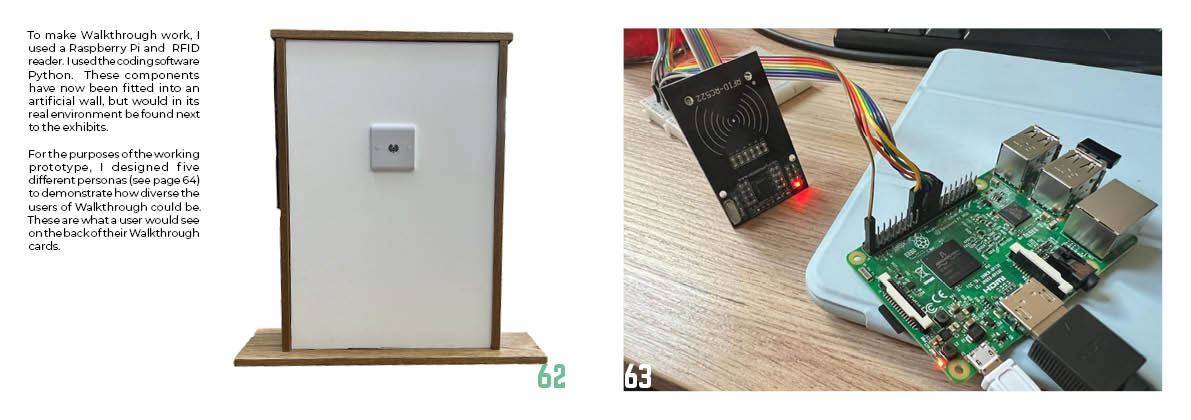
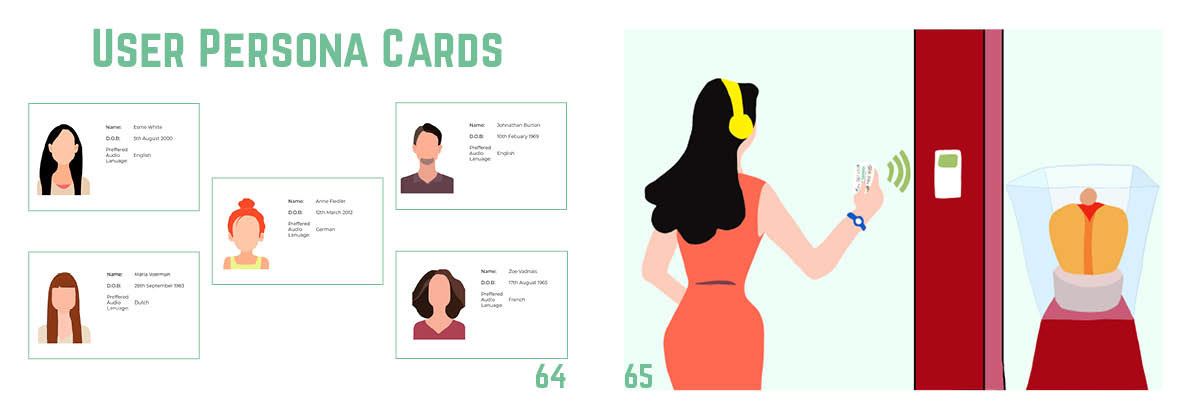
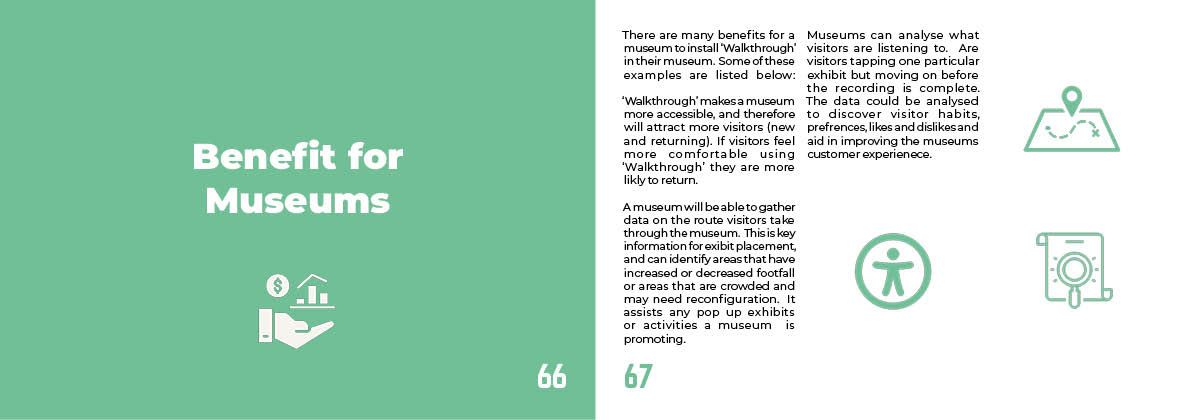
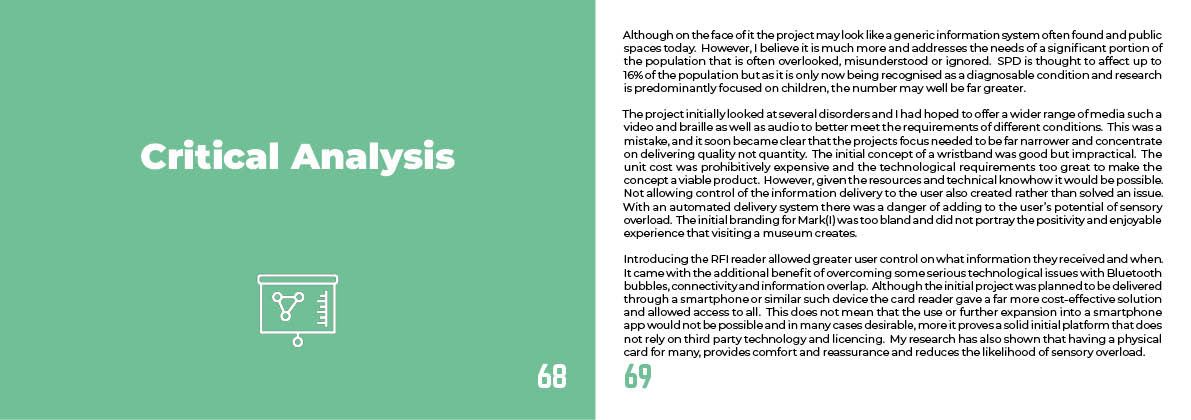
Walkthrough title page with the green logo and illustrated museum visitorsProject book acknowledgements page thanking family, tutors and the experts who advised on the projectProject book contents page, covering research, sensory disabilities, early prototypes and the redesignSecond contents page, covering the Walkthrough rebrand, service design, website, prototype and reflectionAbout the Designer spread with Rachel's photo and a statement about user-centred, accessible designProject statement spread: a card being tapped on a reader beside text explaining how Walkthrough helps people with SPDInitial Inspiration spread explaining how an earlier project on the sense of smell led to designing for the sensesPostcard brief spread with a bold illustration of an eye, ear and mouth beside notes on sensory impairmentsSpread with sensory impairment icons and a recruitment leaflet asking people with sensory impairments to take part in researchResearch Findings spread summarising interviews with an inclusion consultant and V&A Dundee's accessibility teamTypes of Sensory Disabilities spread explaining sensory impairments, with a colourful line drawing of a faceSpread explaining sensory differences, such as autism, and sensory processing disorder, each with an illustrationSpread explaining the shift in target market to people with hidden SPDs such as dyslexia, in a museum settingSensory Overload spread with an illustration of a distressed woman covering her earsComic strip of Rachel explaining how noise triggers her sensory overload, with common causes like crowds and loud musicMark Zero spread showing paper sketch prototypes of a tablet app and an interactive wristbandPaper wristband prototype with 'Your Story' and Bluetooth icons, beside a storyboard of its calm and story settingsAutoethnography spread listing findings from a visit to V&A Dundee: own noise comforted, crowds avoided, guides preferredFour diary pages with photos documenting Rachel's autoethnography visit to V&A DundeeMark(I) spread introducing the black and white 'Subconscious' logo of a person in headphones looking at a landscapeSubconscious app prototype screens: main menu and connecting a wristband over BluetoothApp screens showing saved museums and a traffic-light visitor scale indicating how busy each museum is by hourThe Re-Design spread explaining problems with Mark(I): no user control, costly wristbands and bland brandingMark(II) spread explaining the rename from Subconscious to WalkthroughSpread on choosing RFID cards like a library card, with a mood board of accessible museum and charity brandsSpread showing the licensed museum illustration, edited to add headphones and turn tour guides into green 'ghosts'Logo development spread comparing four layouts, labelled too busy, not readable, too boxy and the chosen formatColour tests of the logo in six bright colours beside the final, calmer darker green chosen with people with SPDService blueprint showing the journey from deciding to visit a museum to registering, tapping the card and hearing tailored audioScreenshots of the Walkthrough website homepage and card registration formScreenshots of the Walkthrough website's participating museums page and About pagePrototype wall with an RFID reader fitted in it, and the Raspberry Pi and RFID reader that power itFive user persona cards with name, date of birth and audio language, beside an illustration of a woman tapping her cardBenefit for Museums spread on accessibility, visitor route data and insight into what visitors listen toCritical Analysis spread reflecting on narrowing the focus, dropping the wristband and giving users control via RFIDReflection spread: Walkthrough is a sound first step that could expand to more conditionsBack cover reading 'Honours Project, Rachel Reid' with the illustrated museum visitors